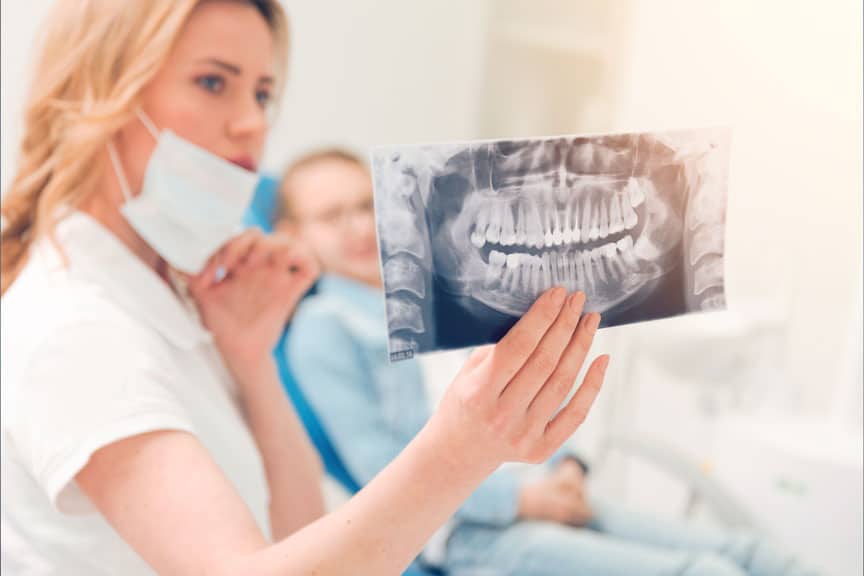

Thinking about improving your smile? Two common options that people consider are veneers and dental bonding. Both procedures can correct flaws like chips, stains, gaps, or misshapen teeth—but they work differently, cost differently, and last for different amounts of time.
Let’s break down the facts so you can make the best choice for your smile.
What Are Veneers?
Dental Veneers are custom-made, wafer-thin shells that cover the front of your teeth. Most veneers are made from porcelain, but some are crafted from composite resin. They are designed to mimic the natural appearance of teeth while also improving their shape, size, and color.
Benefits of Veneers:
- Long-lasting: Often 10 to 15 years or more with good oral hygiene.
- Stain-resistant: Especially porcelain veneers, which resist discoloration better than natural teeth.
- Highly aesthetic: Veneers create a smooth, symmetrical smile.
- Durable: Strong enough to handle everyday biting and chewing.
Considerations:
- Permanent: Some enamel is removed, making this a non-reversible procedure.
- More expensive: Typically costs more than bonding due to material and lab work.
- Replacement if damaged: Repairs aren’t always possible; the veneer may need to be fully replaced.
What Is Dental Bonding?
Dental bonding uses a tooth-colored resin material that is applied directly to the tooth, sculpted into shape, and hardened with a special curing light. It’s mostly used for small cosmetic changes.
Benefits of Bonding:
- Cost-effective: A more affordable solution for minor imperfections.
- Quick fix: Often completed in one visit with no downtime.
- Non-invasive: Usually requires no removal of enamel.
- Reversible: Since enamel isn’t altered, bonding can be adjusted or removed later.
Considerations:
- Shorter lifespan: Typically lasts 4 to 8 years.
- Staining risk: More susceptible to discoloration from foods, drinks, and smoking.
- Less strong: Prone to chipping or breaking if you chew on hard objects.
Which Treatment Is Right for You?
Choose Veneers If:
- You want a full cosmetic transformation.
- Your teeth have heavy stains or multiple imperfections.
- You prefer a long-term investment in your appearance.
- You want a solution that looks and feels completely natural.
Choose Bonding If:
- You’re correcting minor chips or gaps.
- You want an affordable, fast solution.
- You prefer a non-permanent option.
- You’re not ready to commit to more extensive procedures.
Cost: What to Expect
Let’s talk numbers:
- Veneers: The cost varies from $900 to $2,500 per tooth based on area and materials used.
- Bonding: More budget-friendly, costing around $200 to $600 per tooth.
While veneers have a higher upfront cost, they also last longer and often require fewer touch-ups over the years.
Procedure Breakdown
What to Expect with Veneers:
- Consultation: Assessment and digital smile design.
- Tooth preparation: A small amount of enamel is removed.
- Impressions: Used to create custom veneers in a dental lab.
- Temporary veneers: Optional while the final ones are made.
- Final placement: Bonding of the permanent veneers.
What to Expect with Bonding:
- Colour matching: The resin is selected to match your tooth shade.
- Surface prep: The tooth is lightly etched for bonding.
- Application: Resin is applied and sculpted.
- Curing: A special light hardens the material.
- Finishing touches: Polishing for a smooth, natural appearance.
Longevity: How Long Will Results Last?
- Veneers: With proper care, they can last 10 to 15 years or longer.
- Bonding: Typically lasts 4 to 8 years and may need touch-ups.
The lifespan of either treatment depends heavily on your oral hygiene, lifestyle, and habits like grinding or chewing hard items.
Maintenance Tips
Maintaining your new smile is crucial for both treatments:
Tips for Veneers:
- Use a soft-bristled toothbrush and non-abrasive toothpaste.
- Avoid biting nails, chewing ice, or using your teeth as tools.
- Wear a night guard if you clench or grind your teeth at night.
- Visit your dentist regularly for cleanings and checkups.
Tips for Bonding:
- Limit staining beverages like coffee, tea, and red wine.
- Don’t smoke, as it can stain the resin.
- Be cautious with hard or sticky foods.
- Schedule routine dental exams to catch any issues early.
Aesthetic Comparison
Veneers provide a more polished and natural look, especially under lighting. Porcelain reflects light similarly to real enamel, making the result incredibly lifelike.
Bonding can also look natural but may lose its shine and uniformity over time. It’s more suited for fixing one or two teeth rather than transforming your entire smile.
Durability and Repair Options
- Veneers: Highly durable but not easily repaired. Damage usually means replacement.
- Bonding: Less strong but easier and cheaper to touch up or fix if chipped.
Making the Right Choice
There’s no one-size-fits-all solution. Your ideal option depends on:
- Your smile goals.
- Your budget.
- The condition of your teeth.
- How long do you want the results to last?
Talking to a professional can help clear up any doubts and provide a personalized recommendation based on your oral health and cosmetic goals.
Still Have Questions? Let’s Talk.
Deciding between veneers and dental bonding doesn’t have to be complicated. At Linden Market Dental, our expert dentist in Winnipeg, MB will evaluate your teeth and discuss what option makes the most sense for you.
Book a consultation today to explore your options. Whether you’re looking for subtle refinements or a total smile makeover, we’ll help you get there.