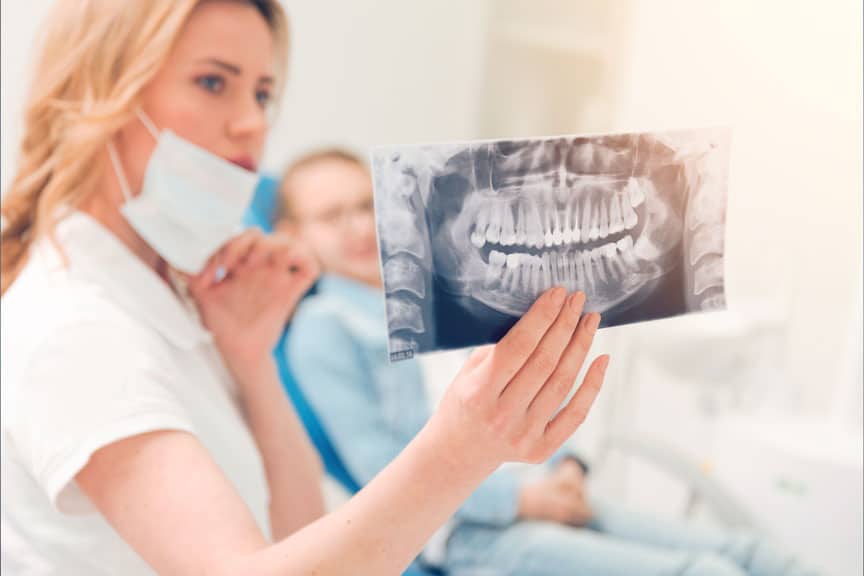

Losing a tooth is stressful. But losing the bone underneath? That can feel like a whole new level of worry. You may wonder if you’re still a candidate for dental implants. The good news is that you can still get dental implants even if you’ve lost bone. And there are proven techniques that make it possible.
Let’s break it down.
What Happens When You Lose Bone in Your Jaw?
When a tooth is lost or removed, the jawbone that once supported it starts to deteriorate. This is called bone resorption, and it occurs because the bone no longer has a purpose. Without the pressure and stimulation from chewing, the body starts breaking down that bone for use elsewhere.
Over time, this can lead to:
- Changes in facial shape (sunken cheeks or collapsed mouth)
- Shifting of surrounding teeth
- Difficulty with other dental restorations
But don’t panic. Bone loss is common, and it doesn’t mean dental implants are off the table.
Why Bone Matters for Dental Implants
Dental implants work by anchoring a titanium post directly into your jawbone. The bone fuses with the implant in a process called osseointegration, creating a stable foundation for a crown, bridge, or denture.
So if there isn’t enough bone, that anchor can’t hold. The implant might fail to integrate properly or become loose over time. This is why many dentists check bone density and volume during the planning phase.
Luckily, advancements in dental technology and procedures mean there are now several ways to rebuild or work around lost bone.
How You Can Still Get Dental Implants With Bone Loss
1. Bone Grafting
This is the most common solution. In a bone graft, your dentist adds bone material to your jaw where it has shrunk. Over a few months, your body fuses with the graft, creating new bone strong enough to hold an implant.
Types of bone grafts:
- Autograft (from your own body, usually the hip or chin)
- Allograft (donor bone)
- Xenograft (animal bone, often bovine)
- Synthetic grafts (lab-created materials)
The right choice depends on your health, preferences, and how much bone is needed.
2. Sinus Lift (for Upper Jaw Bone Loss)
If bone loss is in the upper jaw near the back (around the molars), a sinus lift may be needed. This procedure lifts the sinus membrane and places bone graft material underneath, increasing the bone height so implants can be placed safely.
3. Zygomatic Implants
For severe bone loss in the upper jaw, zygomatic implants are a game-changer. These longer implants anchor into the cheekbone (zygoma), bypassing the need for bone grafts entirely. They’re less common but highly effective in the right cases.
4. Short or Mini Implants
In cases with mild to moderate bone loss, your dentist might recommend short or mini implants. These are smaller in size but can still offer stable support, especially when combined with other techniques like ridge expansion.
5. Ridge Expansion
If your jaw is too narrow, a ridge expansion can widen the bone to make room for implants. It’s often done alongside grafting or as a standalone procedure, depending on the case.
Who Qualifies for Implants After Bone Loss?
Here’s what your dentist will consider:
- Overall health: Conditions like uncontrolled diabetes or smoking can slow healing.
- Amount and location of bone loss: Determines whether grafting or other techniques are necessary.
- Gum health: Healthy gums are essential for long-term implant success.
Even with bone loss, many patients still qualify after proper prep. And with today’s tools like 3D imaging and digital planning, implant success rates are higher than ever.
What’s the Timeline Like?
Bone grafting or sinus lifts usually add time to the implant process. Here’s a general timeline:
- Initial exam + imaging: Assess bone loss and plan treatment
- Grafting/sinus lift (if needed): Healing time 4–9 months
- Implant placement: Healing and integration take 3–6 months
- Crown placement: Final step for a natural-looking tooth
It’s a longer journey, but the results are worth it: a stable, lifelong tooth replacement.
Why Not Just Use Dentures or Bridges?
Dentures and bridges can be quicker and cheaper. But they don’t prevent further bone loss, because they sit on top of the gums instead of integrating with the jawbone. Over time, bone can continue to shrink, changing the fit of the prosthetic and causing discomfort.
Dental implants, on the other hand, mimic real tooth roots—stimulating the bone and preserving facial structure.
Preventing Bone Loss in the First Place
The best strategy is prevention:
- Replace missing teeth early
- Maintain good oral hygiene
- Get regular dental checkups
- Avoid smoking
If you already have some bone loss, don’t wait. The sooner you act, the more options you’ll have.
Real Talk: Is It Worth It?
Bone grafting and advanced implant techniques require time, money, and healing. But they also offer a permanent solution that looks, feels, and functions like a real tooth. For many patients, it’s life-changing.
Here’s what you get:
- Long-term durability (often decades or more)
- Full chewing power
- Confidence in your smile
- No slipping, clicking, or adhesives
If you’re on the fence, talk to a trusted dental professional about your goals, health, and budget. There’s no one-size-fits-all answer, but there is almost always a path forward.
Ready to Rebuild Your Smile?
Bone loss doesn’t have to be the end of your dental implant journey. With expert care and today’s options, you can restore your smile, your confidence, and your quality of life.
Looking for a dentist in Winnipeg who can handle complex implant cases? Call Linden Market Dental today to book your consultation. Let’s build your smile—stronger than ever.