A crown is a significant investment. How you treat it day to day determines how long it lasts.
Getting a dental crown in Winnipeg is not a small decision. It takes time, multiple appointments, and money. So it makes sense to want to protect that investment for as long as possible.
The good news is that a well-made, properly fitted crown can last anywhere from 10 to 15 years, and in many cases considerably longer. Some patients go 20 or even 30 years without needing a replacement. The difference between a crown that lasts a decade and one that lasts three usually comes down to a few consistent habits, most of which are straightforward once you understand why they matter.
Here is what you actually need to know.
What a dental crown protects
Before getting into the care tips, it helps to understand why they are important.
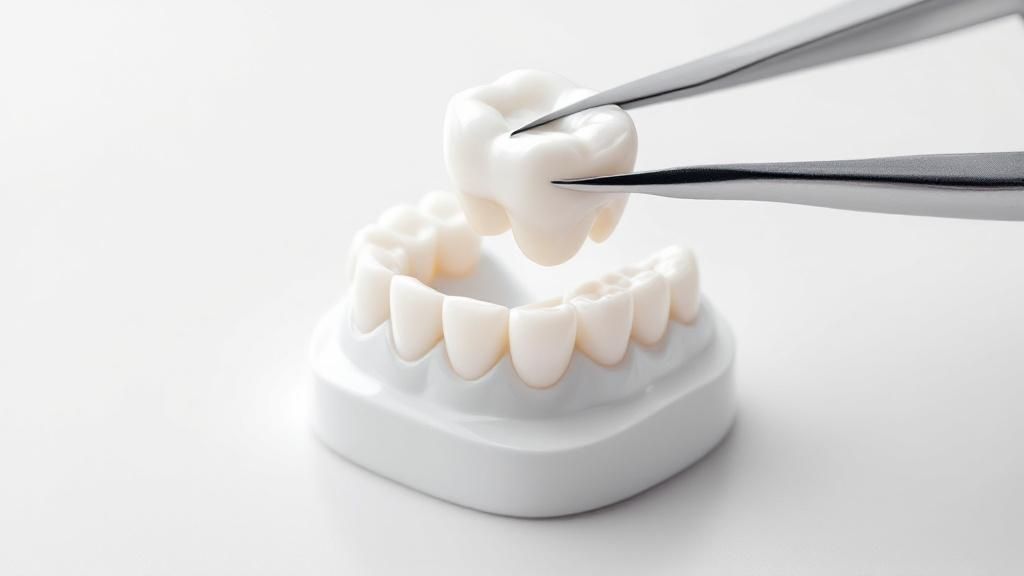
A crown is a custom-made cap placed over a natural tooth that has been damaged, weakened, significantly decayed, or treated with a root canal. It restores the tooth’s shape, function, and appearance and protects what remains of the natural tooth structure underneath.
Here is the part many patients do not realize: while the crown itself cannot develop a cavity, the tooth underneath still can. Bacteria and plaque that accumulate around the base of the crown, at the junction between the crown and the gum line, can cause decay in the natural tooth below. If that decay progresses, the crown may need to come off, and the tooth beneath may need more extensive treatment.
This is why caring for a crowned tooth is not optional. The crown is protecting the tooth, but your daily habits are protecting the crown and everything under it.
The daily habits that make the biggest difference
Brush properly, twice a day
Use a soft-bristled toothbrush and fluoride toothpaste. The technique matters as much as the frequency. Angle the bristles slightly toward the gum line so you are cleaning along the edge where the crown meets the tooth. This is exactly where plaque tends to collect and where early decay can start if it is not regularly cleared away.
Avoid abrasive toothpastes or hard-bristled brushes. Porcelain and ceramic crowns can be scratched by abrasive materials, and while this does not affect the structural integrity immediately, surface scratches can make the crown more prone to staining and accumulating bacteria over time.
Floss every day, and do it carefully
Some patients with crowns skip flossing because they are worried about dislodging the crown. If the crown was properly placed and has fully bonded, daily flossing will not pull it off. What it will do is remove plaque and debris from the area around the crown’s edges where a toothbrush cannot reach.
The technique is worth paying attention to. Slide the floss gently between teeth rather than snapping it down hard. Work it around the base of the crown carefully. If flossing is difficult due to tight contacts or bridge work, a water flosser or floss threader can help reach the area effectively.
Consider a fluoride mouthwash
Adding an antibacterial or fluoride mouthwash to your routine a few times a week can provide a layer of protection for the natural tooth around and beneath the crown. It is not a substitute for brushing and flossing, but it is a useful addition if you have a history of cavities or gum disease.
Foods and habits to watch out for
The crown material is durable, but it is not indestructible. Certain foods and habits put crowns under stress that they were not designed to handle.
Foods that can damage or dislodge a crown:
- Hard foods like ice, hard candies, popcorn kernels, and nuts can crack or chip a crown, especially porcelain ones
- Sticky foods like caramel, toffee, and some chewy candies can grab at the crown and, over time, loosen the cement that holds it in place
- Chewing on non-food objects: pen caps, fingernails, packaging, bottle tops, and similar items put direct stress on the crown and are one of the more common causes of premature crown damage
None of these means you have to avoid hard or chewy foods entirely. It just means being mindful when eating foods that put a lot of pressure on that specific tooth.
Teeth grinding is a significant threat
Bruxism, which is the habit of grinding or clenching teeth, is one of the most common reasons dental crowns wear down or fail earlier than expected. Many people who grind their teeth do it at night without realizing it, noticing only a sore jaw or worn-down teeth over time.
The constant pressure and lateral movement of grinding puts crowns under stress that far exceeds what normal chewing creates. This can lead to chipping, cracking, or loosening of the crown over months and years.
If you grind your teeth, a custom nightguard is one of the most practical ways to protect both your crown and your natural teeth. At Linden Market Dental, we can assess your bite, identify signs of grinding, and fit you for a nightguard that is comfortable to wear and effective at distributing the forces that would otherwise be concentrated on individual teeth.
Regular dental checkups are not negotiable
Even with excellent home care, a dental crown in Winnipeg needs professional monitoring. Every six months, your dentist examines the crown for:
- Signs of wear or fracture in the crown material
- Changes in fit or contact with neighbouring teeth
- Decay developing around the crown’s margins
- Gum health at and around the crowned tooth
- Whether the bite is still distributing forces correctly
These assessments are how small issues get caught before they become expensive ones. A small chip in a crown that is noticed early can often be repaired. The same chip, ignored for a year, may compromise the crown’s integrity entirely.
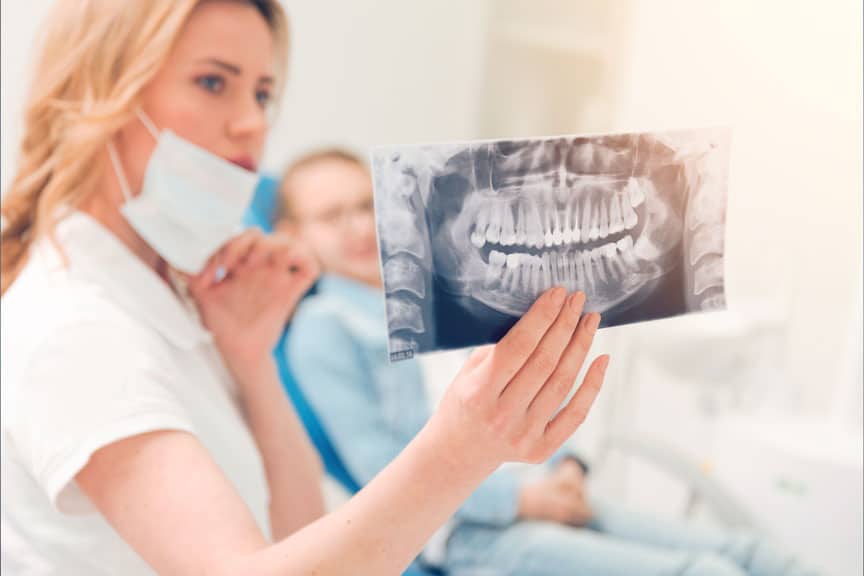
At Linden Market Dental Centre, we use digital dental X-ray technology throughout the office, which allows us to examine the health of the tooth below the crown and check areas below the gum line that a visual exam alone cannot reveal.
Signs your crown may need attention
Contact your dentist if you notice any of the following:
- Sensitivity to hot, cold, or pressure that did not exist before
- A change in how your bite feels when you close your teeth together
- Visible chips, cracks, or dark lines at the gum line
- The crown feels loose, wobbly, or shifting
- Pain when chewing on that tooth
- Swelling or tenderness in the surrounding gum tissue
Catching these signs early typically means a simpler fix. Waiting until the tooth is painful often means more involved treatment.
Dr. Winchar and the team at Linden Market Dental
Linden Market Dental Centre has been providing comprehensive family dental care to Winnipeg patients for over two decades. Led by Dr. Morgan Winchar, our team offers a full range of services under one roof, from routine checkups and cleanings to crowns, restorative work, cosmetic treatments, and emergency care.
We use advanced technology and take the time to explain every treatment clearly so you always know what is happening and why. We also proudly accept the Canadian Dental Care Plan (CDCP) and help patients with their insurance paperwork so the process is as smooth as possible.
Whether you recently received a crown and want to make sure you are caring for it properly, or you are looking for a trusted dentist in Winnipeg for your family’s ongoing care, we would be glad to welcome you.
We serve patients from across Winnipeg, including Waverley West, Fort Richmond, Linden Woods, Charleswood, and surrounding neighbourhoods.
Book your appointment today
The best way to protect a dental crown long-term is to stay ahead of any changes with regular professional care.
Call us at (204) 487-2226 or book online at lindenmarketdental.com
Linden Market Dental Centre 7-877 Waverley St, Winnipeg, MB Monday to Wednesday: 8:00 AM to 5:00 PM | Thursday: 8:00 AM to 3:00 PM
Now accepting new patients and CDCP patients.